
Introduction
Customers today don’t just prefer personalization, they expect it. From product recommendations to tailored emails, modern consumers want brands to understand their needs instantly and accurately.
This is where AI personalization in marketing is transforming the game. By leveraging data, machine learning, and automation, businesses can now deliver highly relevant experiences at scale.
In 2026, companies using AI in digital marketing are seeing higher engagement, improved conversions, and stronger customer retention. If your brand isn’t leveraging AI yet, you’re already behind.
What is AI Personalization in Marketing?
AI personalization in marketing refers to the use of artificial intelligence to deliver customized content, product recommendations, and experiences to users based on their behavior, preferences, and data patterns.
Traditional vs AI Personalization
- Traditional Personalization:
Based on basic segmentation (age, gender, location) - AI Personalization:
Uses real-time data, predictive analytics, and behavior tracking to create dynamic experiences
Real-World Examples
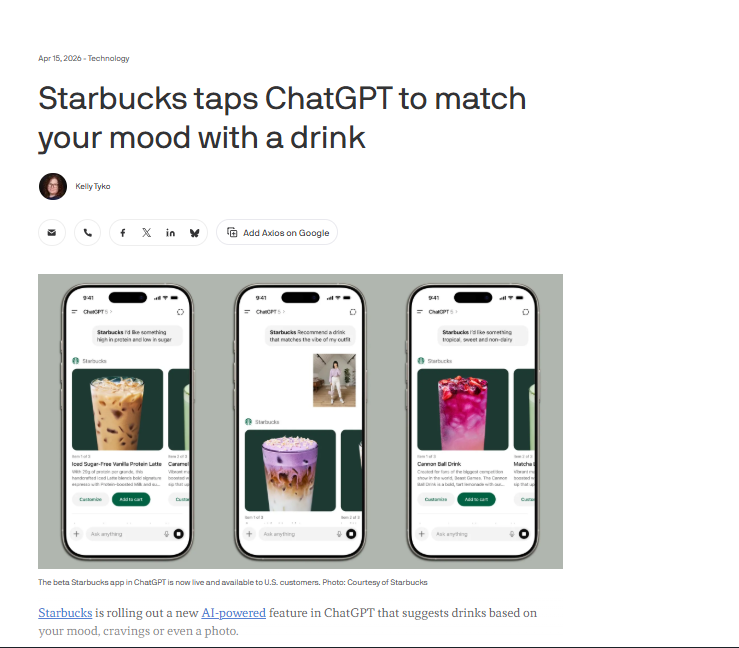
Think about platforms like Netflix or Amazon:
- Netflix suggests shows based on your watch history
- Amazon recommends products based on browsing and purchases
These are classic personalized marketing examples powered by AI algorithms.
Why AI Personalization Matters in 2026
We are now in a data-driven marketing era, where customer expectations are at an all-time high.
Key Reasons:
1. Changing Customer Behavior
Users expect instant, relevant, and seamless experiences across platforms.
2. Explosion of Data
Businesses now have access to massive amounts of customer data—AI helps make sense of it.
3. Competitive Advantage
Brands using customer personalization strategies outperform those using generic marketing.
Benefits of AI Personalization
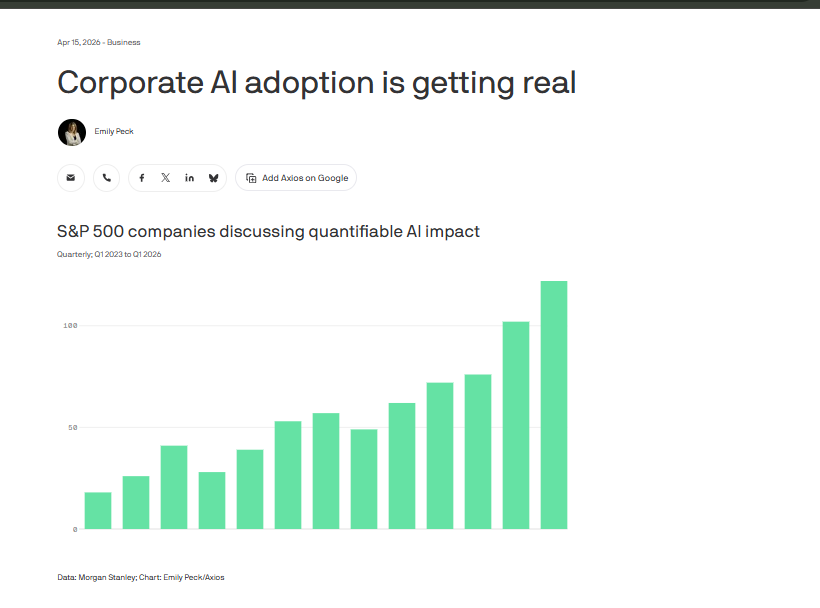
1. Higher Conversion Rates
Personalized experiences directly influence buying decisions.
2. Better Customer Experience
AI enables smoother, faster, and more relevant interactions.
3. Improved ROI
Marketing spend becomes more efficient with targeted campaigns.
Key AI Personalization Strategies
To succeed with AI customer experience, businesses must implement the right strategies:
1. Predictive Recommendations
AI analyzes user behavior to predict what customers are likely to buy next.
2. Dynamic Website Content
Websites can adapt in real-time based on visitor behavior, location, or preferences.
3. Email Personalization
AI helps optimize:
- Subject lines
- Send timing
- Content recommendations
This significantly improves open and click-through rates.
4. Chatbots & Conversational AI
AI-powered chatbots provide:
- Instant support
- Personalized responses
- 24/7 availability
5. Personalized Ads
AI ensures users see ads relevant to their interests, improving ad performance and reducing wasted spend.
Top AI Tools for Marketing Personalization
Choosing the right AI marketing tools is crucial for implementation. Here are some of the most effective platforms:
1. HubSpot
An all-in-one marketing platform offering AI-driven CRM, email personalization, and automation.
2. Salesforce Einstein
Uses AI to provide predictive analytics, customer insights, and automated recommendations.
3. Google AI Tools
Includes tools like:
- Google Analytics AI insights
- Performance Max campaigns
- AI-powered ad optimization
These tools help marketers make smarter, data-driven decisions.
Challenges & Mistakes to Avoid
While AI personalization in marketing offers massive benefits, there are pitfalls to avoid:
1. Over-Personalization
Too much personalization can feel intrusive and reduce trust.
2. Data Privacy Concerns
With stricter regulations, businesses must ensure compliance and transparency.
3. Poor Data Quality
AI is only as good as the data it uses. Inaccurate data leads to poor results.
How to Implement AI Personalization (Step-by-Step)
Here’s a practical roadmap to get started:
Step 1: Collect Customer Data
Gather data from:
- Website interactions
- CRM systems
- Social media
Step 2: Segment Your Audience
Use AI to group users based on:
- Behavior
- Interests
- Purchase patterns
Step 3: Choose the Right Tools
Select tools that align with your business goals and budget.
Step 4: Test & Optimize
Continuously analyze performance and refine strategies using AI insights.
Future Trends in AI Marketing
The future of AI in digital marketing is evolving rapidly. Here’s what to expect in 2026 and beyond:
1. Hyper-Personalization
Going beyond basic personalization to deliver deeply individualized experiences in real-time.
2. Voice + AI Integration
With the rise of voice assistants, AI-driven voice search personalization will become critical.
3. Predictive Behavior Targeting
AI will not just react—it will anticipate customer needs before they arise.
Conclusion
AI personalization in marketing is no longer optional, it’s essential. Businesses that embrace AI-driven strategies will gain a significant edge in customer engagement, conversions, and brand loyalty.
From predictive recommendations to dynamic content and intelligent automation, AI is redefining how brands connect with their audience.
Ready to Transform Your Marketing?
If you want to implement AI-powered customer personalization strategies and stay ahead of your competition, now is the time to act.
👉 Contact us today to integrate AI into your marketing strategy and drive real results.